From “Prof JIang Media”
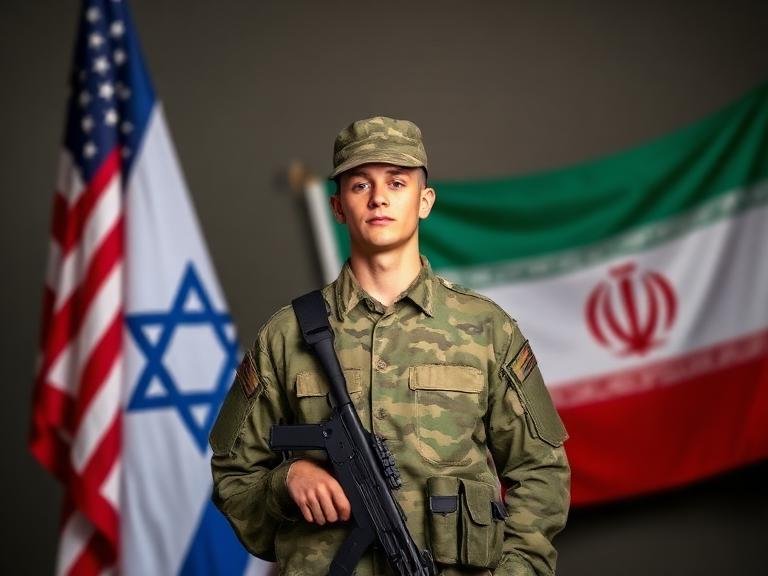
A dramatic hypothetical unfolds: a U.S.-led coalition launches “Operation Iranian Freedom,” framed as a mission to defend democracy, prevent nuclear proliferation, protect global shipping lanes, and defend key regional allies. The speech announcing the war presents familiar arguments that have shaped many modern interventions—humanitarian concern for protesters, fears of an imminent nuclear threat, the safeguarding of global energy flows, and the defense of strategic partners. Yet beneath this confident narrative lies a deeper strategic question: can overwhelming technological superiority and rapid military deployment truly determine the outcome of a war?
In this analysis, Jiang Xueqin challenges the assumptions behind modern American war doctrine. Air supremacy, naval dominance, and a rapid ground deployment may create the appearance of decisive strength, but history repeatedly shows that wars are rarely decided in their opening stages. Geography, logistics, manpower, and the political will of a population often determine the real balance of power. In a vast, mountainous country with tens of millions of people and a long memory of foreign intervention, the limits of shock-and-awe warfare become starkly visible. What appears to be a swift and decisive military operation can quickly evolve into a strategic trap, where tactical victories fail to translate into political control. The lesson drawn from past conflicts is clear: achieving battlefield dominance is one thing, but securing lasting victory in a complex society is another matter entirely.